 |
 |
 |
 |
 |
|
 |
|
 |
|
 |
|
 |
|
 |
|
 |
 |
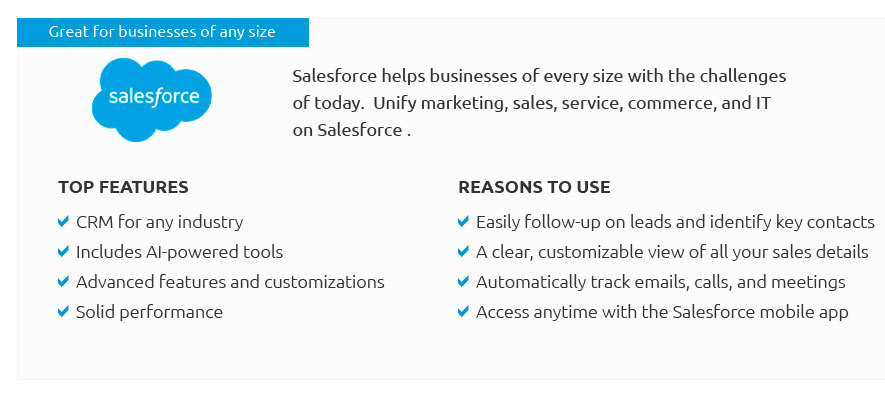
Understanding CRM Features and Functions: A Comprehensive GuideIn the rapidly evolving world of business technology, Customer Relationship Management (CRM) systems have emerged as an indispensable tool for companies looking to enhance their customer interactions and streamline operations. At its core, a CRM system is designed to centralize and manage customer information, facilitating improved communication, efficiency, and decision-making. But what specific features and functions should businesses look for in a CRM system to maximize its benefits? 1. Contact Management: One of the foundational elements of any CRM system is its ability to manage contact information efficiently. This feature allows businesses to store and organize customer data, such as names, addresses, phone numbers, and email addresses, all in one accessible place. With a robust contact management system, companies can ensure that they have up-to-date information on their customers, fostering better communication and personalized service. 2. Sales Automation: Sales automation is another critical component of CRM systems, enabling businesses to streamline their sales processes. This feature often includes tools for tracking leads, managing pipelines, and automating repetitive tasks like sending follow-up emails or scheduling appointments. By automating these processes, sales teams can focus on what truly matters-building relationships and closing deals. 3. Customer Support and Service: A comprehensive CRM system should also include features that support customer service and support functions. This can include ticketing systems, knowledge bases, and communication tools that help businesses respond to customer inquiries promptly and efficiently. By improving customer service capabilities, companies can enhance customer satisfaction and foster loyalty. 4. Reporting and Analytics: In today's data-driven world, having access to detailed reports and analytics is crucial for making informed business decisions. CRM systems often come equipped with robust reporting tools that provide insights into sales performance, customer behavior, and overall business trends. With this data at their fingertips, businesses can make strategic decisions to drive growth and improve customer experiences. 5. Integration Capabilities: The ability to integrate with other business tools and systems is a vital feature of modern CRM platforms. Whether it's integrating with email marketing tools, social media platforms, or accounting software, seamless integration capabilities can enhance the functionality of a CRM system, ensuring that businesses can maintain a cohesive and efficient workflow across all departments. 6. Customization and Scalability: Every business is unique, and a one-size-fits-all approach rarely works in the realm of CRM. Therefore, it's essential to choose a CRM system that offers customization options to tailor the platform to specific business needs. Additionally, as businesses grow, they need a CRM system that can scale with them, accommodating increased data volumes and user demands without sacrificing performance. Final Thoughts: When considering a CRM system, it's crucial to evaluate the specific features and functions that align with your business goals. While the right CRM can transform customer interactions and drive success, it's important to remember that its effectiveness largely depends on how well it is implemented and utilized within the organization. Investing time in understanding these features and ensuring alignment with your business strategy can make a significant difference in achieving the desired outcomes. In conclusion, the ideal CRM is not just about having the latest features but about having the right features that support your unique business needs and objectives.
https://www.uschamber.com/co/run/technology/must-have-crm-features
10 Must-Have CRM Features Small Businesses Should Use - 1. Company and contact management functionality - 2. Client profiles and interaction ... https://mailchimp.com/resources/crm-functions-and-features/
In this blog post, we'll be going over important CRM functions and features that will help grow your brand and improve customer relationships. https://www.softwareadvice.com/resources/key-crm-functions/
10 key CRM software functions - 1. Lead management. Generating leads is the first step in the sales cycle. - 2. Contact management - 3. Email - 4.
|
